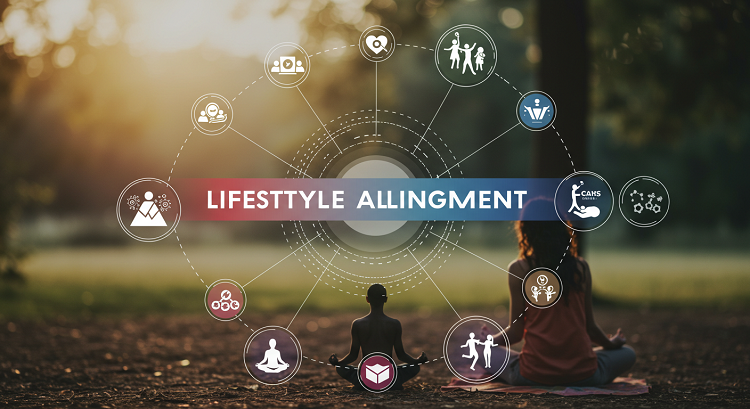
When two people enter a relationship, attraction and shared interests are often the first points of connection. Yet beneath these initial sparks lies something far more influential in determining long-term success: the alignment of daily habits, priorities, and life goals. Brandon Wade, founder of Seeking.com and a vocal advocate for intentional relationship building, highlights that harmony does not come from chemistry alone but from the ways partners live their lives day to day. The patterns, routines, and commitments each person carries inevitably shape the relationship’s rhythm and its ability to grow.
That is why lifestyle compatibility is not a trivial detail but a cornerstone of sustainable love. When partners’ ways of living support each other’s needs and ambitions, the relationship feels natural and energizing rather than forced. From shared visions of the future to the way each person manages time, money, and social life, lifestyle alignment quietly determines whether a couple thrives in harmony or struggles with constant friction.
Table of Contents
Beyond Shared Interests: Why Daily Routines Matter
While shared hobbies can make a relationship enjoyable, shared routines create its foundation. If one partner enjoys a structured, early-to-bed lifestyle while the other thrives on spontaneity and late nights, these differences can cause tension over time. Lifestyle alignment ensures that the couple’s daily flow works in mutual favor rather than leaving one person feeling constantly uncoordinated.
It is not about mirroring each other’s every move but about finding a balance where both partners can live authentically without creating unnecessary conflict. Couples who share similar approaches to health, work schedules, and leisure time often find it easier to maintain closeness. These everyday patterns influence energy levels, emotional connection, and how much quality time is available to share.
The Link Between Lifestyle and Long-Term Goals
Lifestyle compatibility extends beyond what happens in a day and reaches into the long-term vision of a shared life. Couples who agree on whether they want to travel often, live in a bustling city, or raise children in a quieter setting have an easier time making big decisions. When these values and priorities are misaligned, even deep emotional connections can feel strained.
Discussing lifestyle preferences early in a relationship is a form of openness that prevents misunderstandings down the road. It also builds trust, as both people can make informed decisions about whether their futures can be built together. Without this clarity, a relationship can become a constant negotiation between conflicting visions.
The Necessity of Growth and Adaptability
One of the most essential elements of lifestyle alignment is the willingness to evolve together as life changes. Relationships are not static, and neither are the people in them. Over time, careers shift, family needs change, and personal goals may take new forms, requiring both partners to adjust.
Brandon Wade shares, “Relationships that thrive are the ones where both people are willing to grow and adapt together.” His perspective underscores that adaptability does not mean losing your individuality. Instead, it is about creating space for each person to change while still maintaining a shared sense of purpose and unity.
How Lifestyle Conflicts Emerge
Lifestyle conflicts often begin subtly. One partner might feel neglected because the other works long hours, or resentment may grow if one person prioritizes personal hobbies over shared activities. Over time, these small issues can accumulate, making it difficult to maintain closeness.
Recognizing the signs early is key. If a couple finds themselves repeatedly frustrated over how time is spent, money is managed, or social commitments are managed, these are signals that deeper conversations about alignment are needed. Ignoring these differences rarely makes them disappear. Addressing them directly with openness and empathy is the healthier route.
Strategies for Building Lifestyle Harmony
Creating lifestyle alignment starts with self-awareness. Each partner must first understand their habits, needs, and non-negotiables. From there, the couple can openly discuss where they align and where compromises are possible. It is where the principles behind Brandon Wade’s Seeking.com come into play, encouraging individuals to be upfront about what they want from the very beginning.
Practical strategies include setting shared goals, creating routines that accommodate both partners, and regularly checking in on whether these routines are still working. Some couples also find it helpful to revisit their vision for the future each year to ensure that changes in career, health, or family life are integrated into their shared plan.
Why Alignment Strengthens Emotional Safety
When two people live in harmony with one another’s rhythms and priorities, emotional safety naturally follows. Both partners feel understood, respected, and supported in their choices. This security creates space for vulnerability and deep connection.
Misalignment, on the other hand, can lead to feelings of isolation or misunderstanding, even if love is present. By prioritizing lifestyle compatibility, couples reduce friction and free up emotional energy to invest in intimacy, mutual goals, and personal growth.
The Role of Continuous Dialogue
Lifestyle alignment is not something that is set once and forgotten. As life changes, so do needs and routines. Maintaining alignment requires ongoing conversations that are honest and free from judgment. These discussions are most effective when both partners approach them as a team, focusing on solutions rather than blame.
This continuous dialogue is a hallmark of lasting relationships. It ensures that both individuals are active participants in shaping a life that reflects who they are individually and together. Couples who prioritize these conversations are better equipped to manage unexpected changes without losing their connection.
Building a Life Coordinated
A shared life is more than shared love. It is a combination of habits, choices, and visions that must work together to create harmony. When daily routines and long-term goals align, relationships feel more natural, supportive, and resilient. Couples who invest in lifestyle compatibility are creating an environment where both people can thrive.
Brandon Wade’s Seeking.com encourages individuals to be open about their lifestyle preferences from the start. This open approach encourages couples to make intentional choices that prevent unnecessary conflict and foster long-term unity. With shared values, adaptability, and consistent dialogue, lifestyle alignment becomes a living framework for lasting love.